Friday, April 28, 2023

New Book! Odd Arcana by Toti O'Brien

You like looking at the moon in the face
sustaining the ambiguity of her gaze.
You think you understand her.
After all, you can be elusive as well.
Are the two of you related? Once
you must have been.
-Toti O'Brien

Full Color Art & Poetry

Toti O’Brien is the Italian Accordionist 
with the Irish Last Name. 
Born in Rome, living in Los Angeles, 
she is a poet, artist, musician and dancer. 


New Book! The Past, Ineffable by Toti O'Brien


LEXICON

As he slowly deciphered
the old script,  he took
pleasure in every word.
How they formed
in his mouth, the
nouns, the adjectives.

He rolled blue butterfly
on his tongue and a taste
of aniseed lingered
while a window
of cobalt burst
within forest green.

When he said volcanoes
the universe flipped
upside down. He heard
barking of dogs trapped
underground. Moonlight
glare seeped in.
 
-Toti O'Brien

Toti O’Brien is the Italian Accordionist 
with the Irish Last Name. 
Born in Rome, living in Los Angeles, 
she is a poet, artist, musician and dancer. 


Wednesday, April 12, 2023

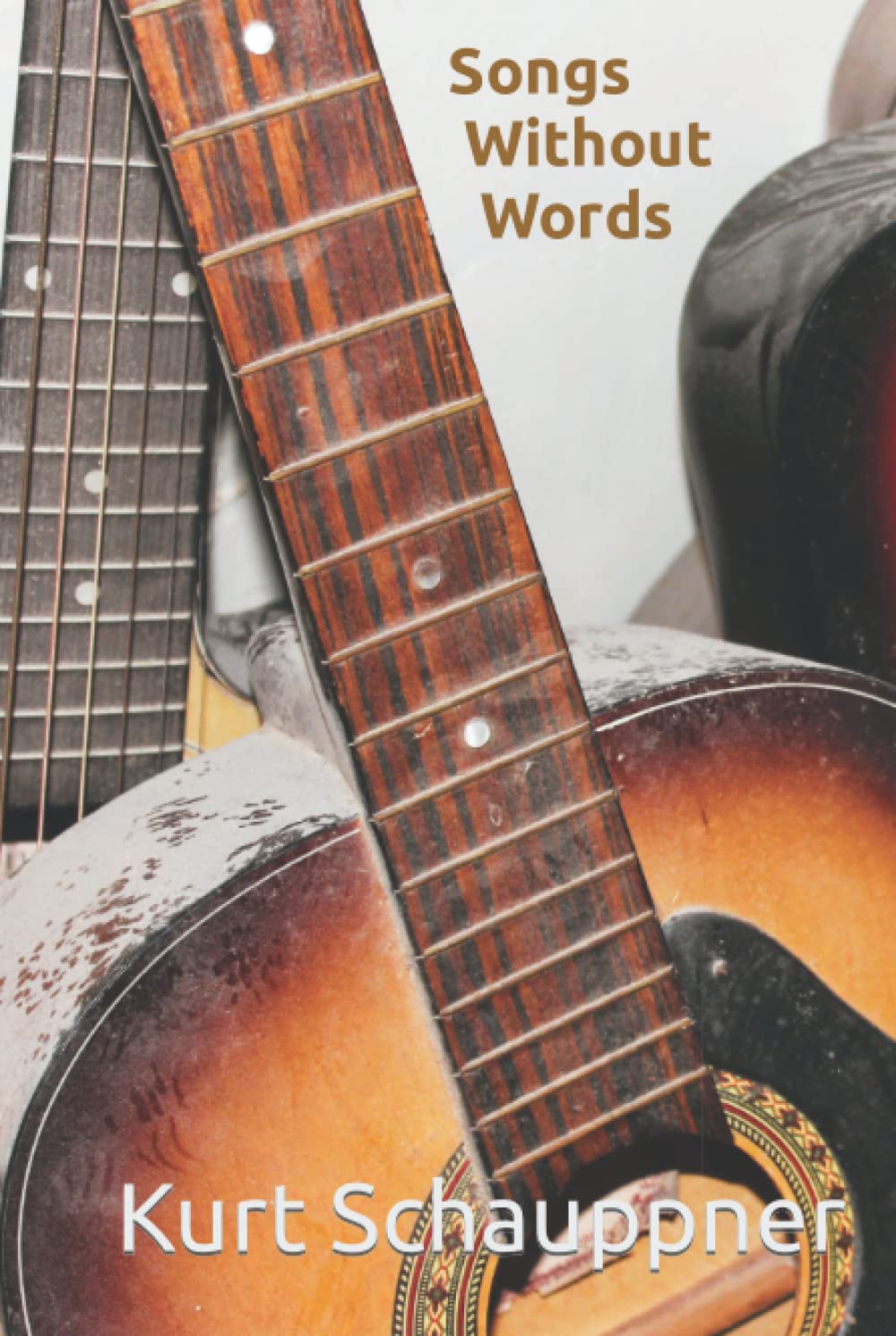
Book Review - Songs Without Words by Kurt Shauppner

Songs Without Words by Kurt Schauppner

Reviewed by Greg Gilbert

    Kurt Schauppner’s Songs Without Words is a collection of seven short stories and as many separate prose paragraphs. I thought the title an interesting choice considering that the book is a songless collection of words. A little digging reveals that Felix Mendelssohn composed eight volumes under the same title in the early-to-mid 1800’s, each volume containing six romantic and lyrical piano works. Schauppner’s foreword to his own work says that the stories are told without speaking, that “they are there and are not,” and they “are our loss and our failure to love.” One may ask, where’s the lyrical and wordless romance inferred by the title?


     To begin, romanticism in art and literature focuses on individuals who discover inspiration through their personal perspectives, and such is the central thread that connects Schauppner’s seven stories. Germane to the romantic mode is the esthetic and intuitive experience, often involving loss, a dark winged presence on the periphery or the absence of a loved one. Again, one may recall that Mendelssohn, a favorite of Goethe, was a gifted composer and director who died at age 38 and that his older sister by four years, Fanny, arguably his superior at the piano, died the same year. In referring to Mendelssohn, romanticism, and his sibling relationship and loss, the character of Schauppner’s stories find a consistent tone and theme, a world on the brink of being discovered and lost.


     As to the suggestion that the stories are told without speaking, the author employs a third person narrative style throughout, and while characters may comment, the quotation mark is never employed. Readers witness the stories from a slight distance, even while viewing the interior lives of characters. Each story employs a dreamlike use of magical realism where characters negotiate various dreamscapes and alternate realities in worlds where diseases test the resiliency of plans and even the survival of a social order. Characters occupy multiple lives and often view their journeys from a mythlike distance. People suffer and are helped only to help those who suffer. Asylums and hospitals and dreamscapes enter and depart as though they are characters in a larger story. Roads lead into distant existential wildernesses and the promises of lush mountainous realms. But always, there is the searcher, the explorer, the perennial student in a world that is disintegrating and reforming at the edges.


     As with the product of any small, overworked publisher, Songs Without Words would have benefitted from closer editing, but that doesn’t prevent me from recommending this collection. The stories are thought provoking and lead the reader into a mythological consideration of our world today. In many respects, this is a wise book that leaves us to consider our own untold stories, our losses, and loves. Its magic lingers after the book is closed.


Click here to purchase on-line ($6)


Also by Kurt Schauppner:


-  -  -  -  -


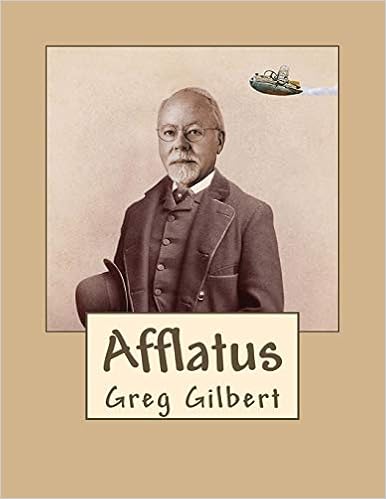
Greg Gilbert is the author of Afflatus.

More info

Saturday, April 1, 2023

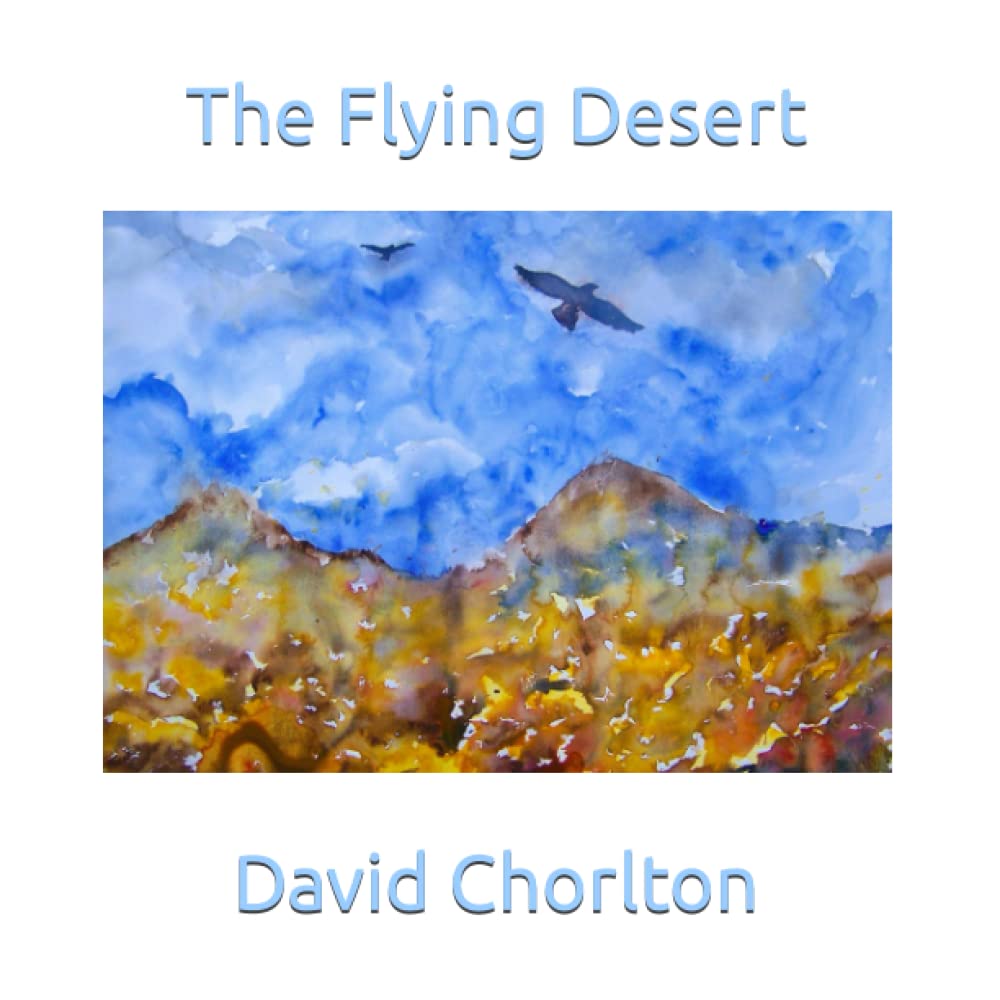
New Book! The Flying Desert by David Chorlton


This beautiful collection of over 20 full color paintings 
and accompanying poems by David Chorlton 
is a true treasure for your art/poetry collection. 
A perfect companion to David's 2021 
art/poetry collection The Inner Mountain. 


David Chorlton was born in Austria and grew up in Manchester, England. In 1971 he moved from the rainy industrial city to the cultural city of Vienna and stayed seven years before moving to Phoenix, where he began to invest more time in his writing. Arizona’s landscape and wildlife gradually infiltrated his work, where he can show his affection for them even while acknowledging that he remains, quite contentedly, unassimilated. That is a circumstance to which he owes much of his poetry.

David has been actively involved in the small press scene since the 1970's and has had over 30 books and chapbooks published by various presses through the years. The most recent are:

2023 Life Goes On (Kelsey Books)

New Issue Release! Cholla Needles 76


This issue is dedicated to Dave Maresh
March 18th 1948 - February 8, 2023

Featuring the beautiful art of Nancy Brizendine
and the creative language of:
John Taylor
Heather Morgan
Mark Evans
Miriam Sagan
Bonnie Bostrom
Tamara Madison
Alice Pero
Kent Wilson
J. Malcolm Garcia
Zary Fakete
Dave Maresh
and
Beth Schraeger


Thursday, March 16, 2023

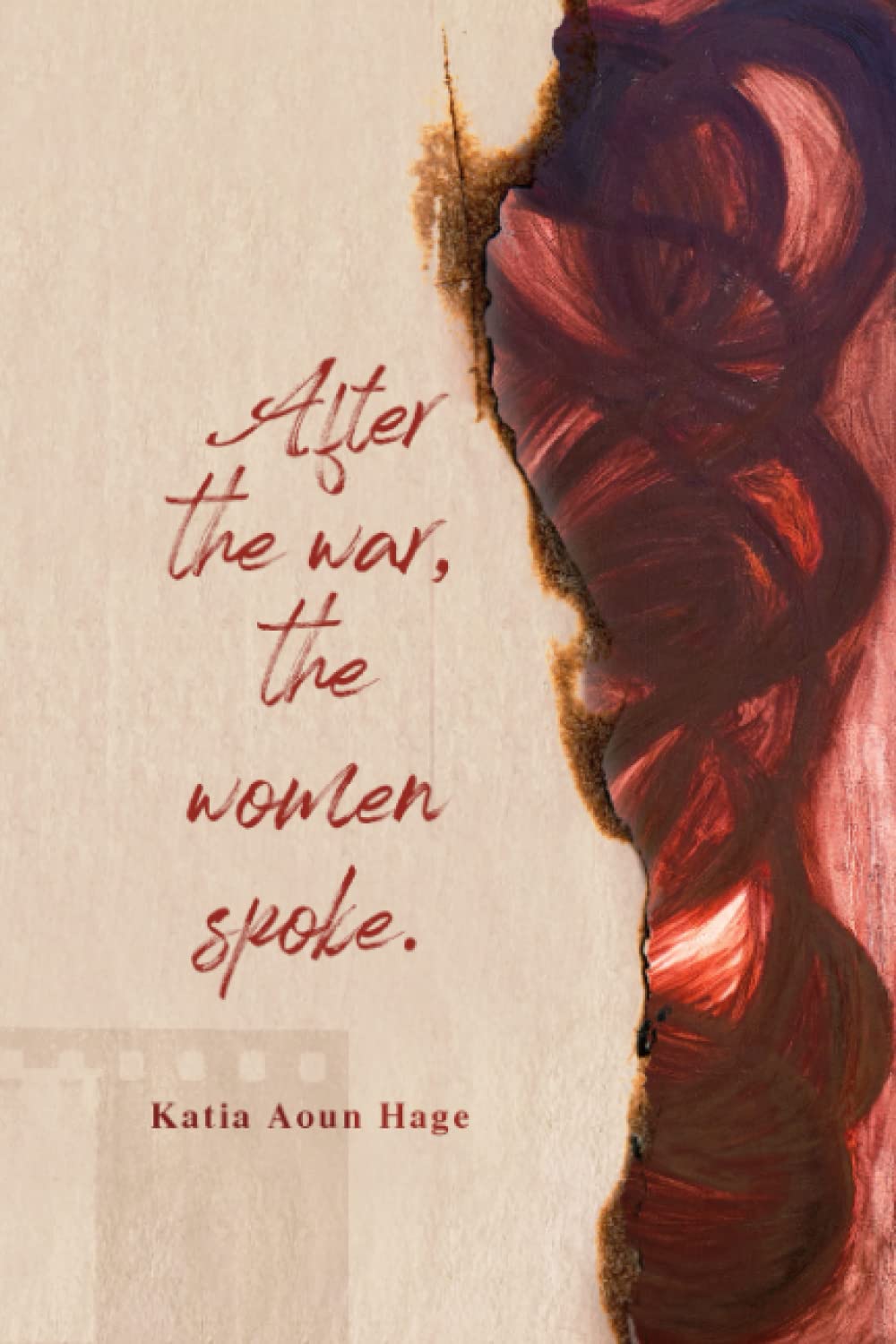
2nd Edition! After The War, The Women Spoke by Katia Hage


After the war, the women spoke highlights the power of quiet and silent witnessing of the suffering of generations of women, which allows to break the chains of trauma and prepare the way for healing. These poems are a look into the opening of the soul and an invitation to stop inheriting the pain of the women who came before us, so as to allow a new dawn to dispel the shackles of the past. It is a look into the wounded trampled feminine by women who have forgotten what is to surrender to a higher power and how to bring community together. The book itself has been designed to allow the simmering of thought and feelings, for the reader to become one with the poet and allow one’s own voice to mingle with hers with the help of paintings and empty spaces. This need for connections and understanding, collaborating and supporting, is a mark of the feminine which never fails but always pulls worlds from dismemberment to wholeness.

- - -

Born in Cameroon, raised in Lebanon during the civil war of 1975, Katia Aoun Hage moved to the United States where she resides with her husband and three children. Graduated from the University of Redlands with a Masters in Music Education, Katia is not a stranger in the Inland Empire’s art scene of Southern California. She has collaborated with choreographer Sofia Carrera at Riverside Community College, performed poetry and music at California State University San Bernardino, displayed her artwork at Art for Heaven’s Sake and performed music in local venues. Katia Aoun Hage listens deeply to the voices inside, of her own people and hers, becoming a bridge between past and present, east and west, through her poetry, translations and artwork.


Friday, March 10, 2023

Book Review - Mary's Confession by Kurt Schauppner


Cholla Needles, 2020
Reviewed by Greg Gilbert
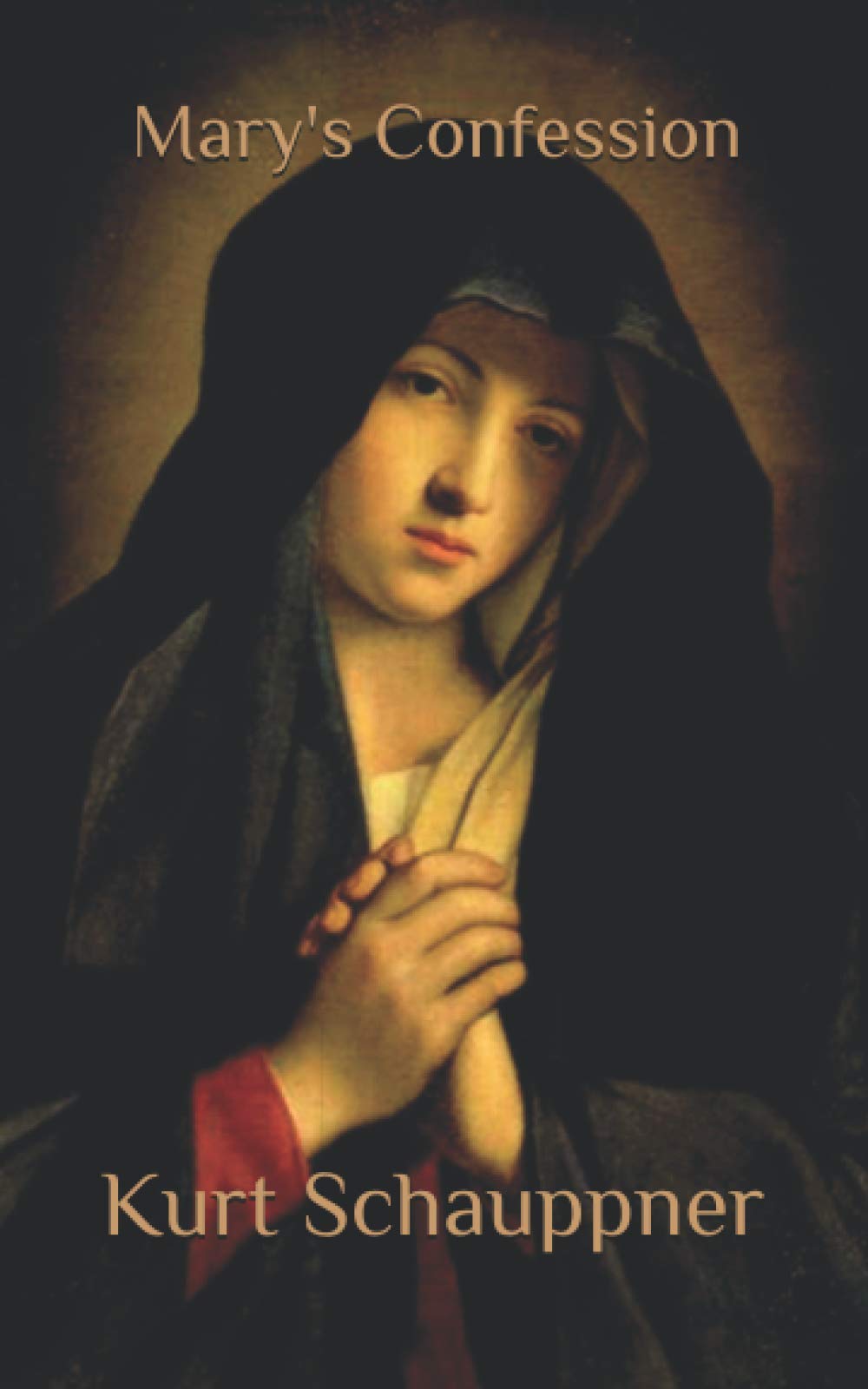
            Mary’s Confession by Kurt Schauppner is a gentle, thoughtful, and frequently witty free verse narration in the voice of Mary, the mother of Jesus of Nazareth. The overall musicality of the poetry is pleasingly engaging with succinct lines, each offering its own rhythmic punctuation and message.


                The confession referenced in the title is that of a mother who is timebound and struggles to navigate the dual nature of her son. Though she has been visited by a divine intermediary, an “errand boy,” she has not experienced directly the “terrible, frightening” voice of God. She has found herself married to “an elder carpenter” who was “willing to have” her, and she has been impregnated. A part of her wishes that she had spoken up, “had said something” to God: “If you are going to get me pregnant / You can at least put in an appearance / Zeus did and he did not even exist.”


                Mary’s glibness is never irreverent; rather, it highlights the dual nature that inhabits the entirety of the Christian story, from the original sin to her own view of her son.  While others see her son as a “troublemaker,” “healer,” “leader,” “messiah,” and “god,” she says that “he was ever and always / And never anything other than / My son.” She speaks of having seen her child “. . . chase butterflies and stare, / Bedazzled, at wildflowers.” This duality serves as a rhetorical device throughout the book. Mary’s narration occurs after her own death, from “heaven,” and, thus, provides a “perspective / you had not enjoyed in life.” As such, her story assumes the role of a heavenly intermediary that waivers between an omniscient past-tense perspective and a present-tense voice that is timebound and suffers the confusions and love that accompany her motherhood.


                There is a surreal duality to Mary’s narration as she describes a life where divine interjection becomes the norm, dreams that guide her elderly husband to have them flee into Egypt, and, thus, experience the relief of saving her child while lamenting the slaughter of the innocents, “mothers / Who have been forced to stand / And watch while their children / Were put to the sword.” In such moments, the reader will appreciate that the earthbound and heavenly incarnations of Mary both understand that there will be a horrific reckoning for her own son. “I wept because I knew that / Soon enough / I would know their sorrow.”


                Meanwhile, there is the day-to-day, “The years I spent chasing after / The Savior of the world / Cleaning up his messes.” The “Savior of the world” offers perhaps my favorite example of duality. One can hear the Jewish mother’s tone, not one of outright mockery but instruction, a voice that brings her son back to earth. You can save humanity after you pick up your clothes!


                In another instance, Mary asserts her role and pushes her son to make wine for a wedding. He proves himself “a superior / Sommelier” who goes on to “spread a handful of loaves and fishes / among several thousand.” She sums up these early miracles as only a mother would. “Any caterer who can pull off a trick like that / Has a fine living waiting for him.” As if in answer to any thought of salaried work, Jesus routs the moneychangers, and she concludes, “ . . . my son was never much of a capitalist.”


                There is so much more that could be said about Mary’s Confession, her views on the disciples, on John the Baptist, Lazarus, and the importance of various notable women of scripture, each a manifestation of her own duality and strength, but I’ll leave that to future readers to explore. What should be apparent is my admiration for Kurt Schauppner’s take on her story.


                Interpretations and speculations concerning the life of Mary have become their own genre, some, like the Gospel of Mary that date back to the second century. Various ancient writings conflate Mary, the mother of Jesus, with Mary Magdalene as the first woman apostle, an individual whose intelligence and devotion to Jesus the prophet and man were disavowed by such as Peter, allegedly due to a combination of jealousy and sexism. Of note is that Schauppner’s Mary provides an effective and liturgical leveling of key disciples. Another speculative publication on the mother of Jesus is Colm Tóibín’s 2014 prose novel, The Testament of Mary, which would serve as a good companion piece to Confessions.


                Christianity’s heaven/hell duality offers an extraordinary menu of conflicts for writers and thinkers to explore, from Augustine to Kazantzakis. While one need not be a believer to appreciate such literature, no thoughtful reader should take offense. The blacklisting of such as The Last Temptation of Christ is, in my opinion, small minded. Such speculative works explore the psychological depths involved in principled and self-examined lives. Kurt Schauppner’s Mary’s Confession is a worthy addition. My singular complaint is that it shares space with Mr. Schauppner’s poetry and journal entries. While they are notable in their own right, their presence undermines the singular voice of Mary, which I believe should stand on its own merits.


Click here to purchase on-line ($6)


Also by Kurt Schauppner:


-  -  -  -  -


Greg Gilbert is the author of Afflatus.

More info